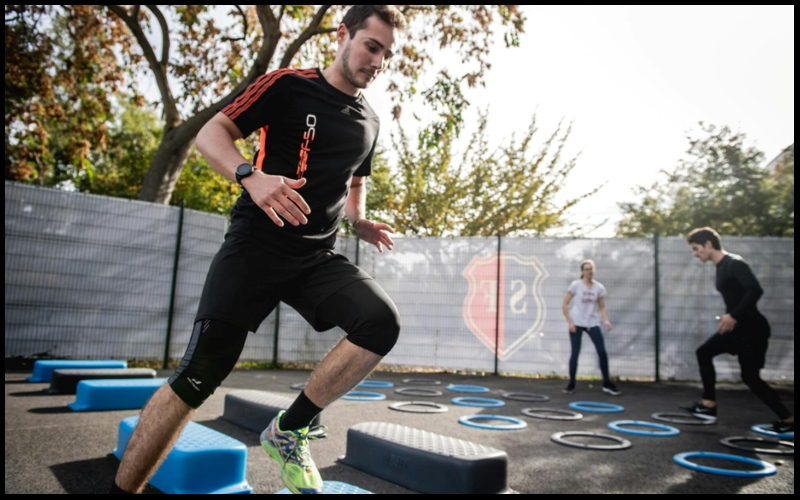
Speed is an important part of many sports and physical activities. Athletes who move faster can respond better to changing situations during competition. Speed training helps develop skills that support stronger and more effective performance.
These workouts do more than increase running pace. They help the body move with control, balance, and power. Read on to learn how speed training can enhance athletic performance and help athletes reach their goals.
Builds Faster Reaction Skills
Quick reactions can make a big difference during games and events. Athletes often need to respond to opponents, teammates, or changing conditions in seconds. Training drills teach the body to process information and act faster.
Many exercises use visual or sound cues to challenge the brain and body. These activities help improve reaction time during high-pressure situations. As a result, athletes can make better decisions while moving.
Improves Body Control and Balance
Good movement starts with proper body control. Speed-focused drills train athletes to stay balanced while changing direction or increasing pace. This helps reduce wasted motion during activity.
Training sessions also strengthen communication between muscles and the nervous system. Better coordination allows movements to become smoother and more precise. Athletes often notice greater confidence in their actions over time.
Increases Strength and Power Output
Fast movement requires strong muscles that can create force quickly. Many programs include plyometric exercises such as jumps and hops. These drills teach the body to generate power in a short amount of time.
Improved muscle power supports faster starts and stronger movements. Athletes can push off the ground more effectively during competition. This leads to better speed and overall physical ability.
Supports Better Movement Patterns
Efficient movement helps athletes save energy while maintaining performance. Speed drills teach proper running mechanics and body positioning. Small improvements can create noticeable results over time.
Many coaches include explosive movement training to develop faster and more effective actions. These exercises encourage proper technique while building strength. Better movement efficiency can help athletes perform longer without tiring as quickly.
Enhances Conditioning and Endurance
Speed workouts often challenge both strength and stamina. Many programs use High-intensity interval training (HIIT) to combine short bursts of effort with recovery periods. This approach helps athletes handle demanding physical activity.
These sessions are commonly used as athlete conditioning exercises in many sports. Athletes learn to maintain intensity even when fatigue begins to set in. Better conditioning can support stronger performance throughout an event.
Helps Athletes Reach Higher Performance Levels
Consistent training creates lasting improvements across many physical skills. Athletes often become quicker, stronger, and more confident during competition. These gains can have a positive impact on results.
Many coaches and trainers study methods such as speed and agility training to better guide their athletes. Structured programs can help maximize athletic performance safely and effectively. Over time, athletes can continue building skills that support long-term success.
Build Strength, Power, and Speed Training Skills for Long-Term Growth
Speed training offers benefits that go beyond running faster. It helps develop power, balance, endurance, and body control. These improvements can support success in many sports and activities.
Athletes who train consistently often see steady progress over time. Small gains in speed can create major advantages during competition. With the right program, athletes can move better and perform at a higher level.
Did you find this article helpful? Visit more of our blogs.