Key Takeaways
- Immediate action is crucial to minimize damage and prevent mold growth.
- Proper assessment and documentation are essential for insurance claims.
- Thorough drying and dehumidification prevent structural issues.
- Cleaning and sanitizing ensure a safe living environment post-restoration.
Table of Contents
- Safety First: Ensuring a Secure Environment
- Assess and Document the Damage
- Water Removal and Extraction
- Drying and Dehumidifying the Affected Areas
- Cleaning and Sanitizing
- Repair and Restore
- Preventing Future Water Damage
- Conclusion
Water damage in the home can occur unexpectedly, whether from burst pipes, severe weather, or appliance malfunctions. The consequences of unmanaged water intrusion extend beyond visible dampness; structural integrity, electrical systems, and indoor air quality can all be affected. Understanding the essential steps for effective water damage restoration is key to minimizing long-term damage and protecting both property and health. From initial assessment to thorough drying and repair, a systematic approach ensures potential hazards, such as mold growth and wood deterioration, are properly addressed.
Working with a professional home restoration contractor, Frontier Restoration home restoration contractor, can help homeowners navigate these steps efficiently. Experienced contractors provide guidance on assessing the scope of damage, implementing water extraction techniques, and ensuring proper drying and sanitation. Following a structured restoration process, whether independently or with professional support, allows homeowners to restore their living spaces safely and reduce the risk of further complications from water exposure.
Safety First: Ensuring a Secure Environment
Before beginning any work on water-damaged areas, safety should always come first. Turn off electricity and gas to reduce the risk of electrical shock or fire. Protective gear such as gloves, waterproof boots, and masks should be worn to shield yourself from contaminated water and airborne pathogens. Evaluate the structural stability of the affected areas before entering, especially if ceilings or floors appear weakened.
Assess and Document the Damage
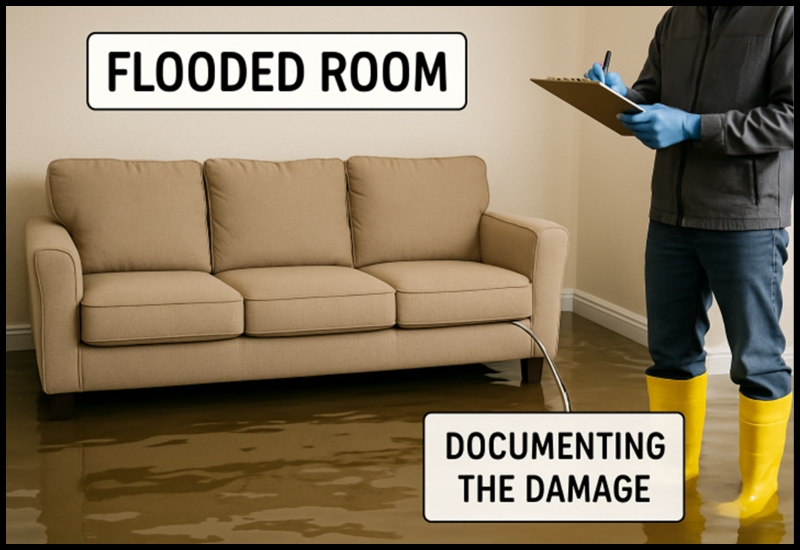
Properly assessing the extent of water damage is the foundation for a successful restoration. Inspect every space that could have been affected, from basements and crawl spaces to attic corners. Be meticulous; water can travel behind walls and under flooring, causing hidden problems. Take clear, timestamped photos and detailed notes for each affected area and item. This documentation not only assists with insurance claims but also serves as a blueprint for restoration professionals when developing an action plan.
Water Removal and Extraction
Standing water should be extracted as soon as possible. For small incidents, using mops, towels, and wet/dry vacuums can suffice. For severe flooding, industrial water pumps and extraction equipment are necessary to quickly move large volumes of water. The more quickly water is removed, the less time it has to penetrate walls, flooring, and foundations, minimizing the risk of further damage and health hazards.
Drying and Dehumidifying the Affected Areas
Even after visible water is gone, the threat of residual moisture remains. Setting up high-powered fans and dehumidifiers helps ensure that every affected area dries thoroughly. Specific attention should be paid to insulation, wood framing, and other absorbent building materials. Inadequate drying can result in mold growth and permanent structural damage, so persistent monitoring over several days is advised.
Cleaning and Sanitizing
Water intrusion often brings contaminants and creates a breeding ground for bacteria and mold. Clean and disinfect all surfaces using appropriate products to remove harmful germs. Porous materials such as saturated carpets, upholstery, and insulation that cannot be sanitized should be discarded. This step helps maintain a healthy home environment and prevents lingering odors and health issues associated with water damage.
Repair and Restore
With cleaning complete, restoration moves to repairing and rebuilding. Replace damaged drywall, flooring, cabinetry, and electrical elements as needed. Professionals should ensure repairs comply with current building codes and standards. Quality restoration restores not just the look but also the structural strength and safety of the home, ensuring it is ready for occupants once again.
Preventing Future Water Damage
Future-proofing your home helps avoid the stress and expense of recurring water damage. Regularly check plumbing and appliances for leaks, and inspect roofing and gutters for blockages or broken sections. Installing water sensors, backflow valves, and sump pumps can offer an additional level of protection. Adequate lawn grading and drainage around the foundation further reduces the risk of excess water entering the home during storms.
Conclusion
Effective water damage restoration requires swift action, a thorough assessment of the damage, and comprehensive repair and cleaning measures. By diligently following these essential steps, homeowners can restore their property efficiently and minimize the disruption and hazards caused by water events. Proactive maintenance and the right professional support make all the difference in keeping your home resilient against the unexpected.