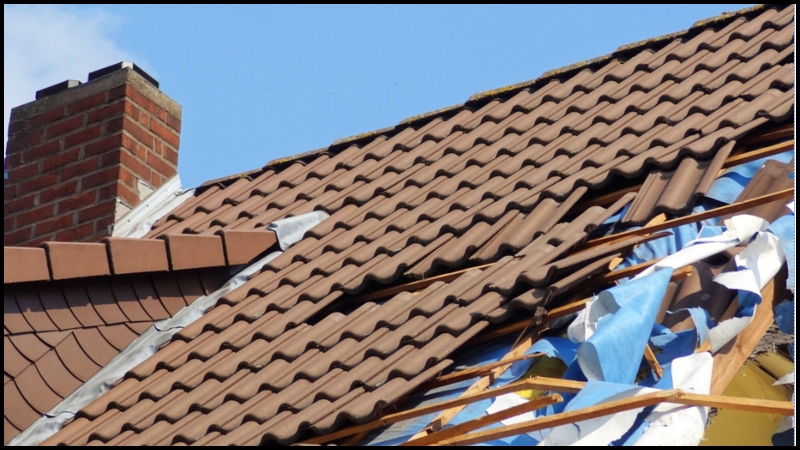
Do you know what to do if your roof breaks? Many homeowners have trouble with their roof insurance claims. Damage from storms, leaks, and falling objects may need to be fixed right away.
If you use insurance the right way, it can help you with money problems. With the right steps, the repair and claim processes can go faster. Get organized as a homeowner to avoid problems and delays with claims.
This book gives homeowners advice that helps them file roof insurance claims with confidence and success. Keep reading to learn more!
Understanding Roof Insurance Coverage
Roof insurance fixes damage caused by events and accidents that are covered. Sometimes it’s hail, storms, strong winds, and tree branches falling. People who own property should check their insurance.
Different policies only cover part of the repairs, while others cover the whole thing. Coverage is based on age, condition, and material. Homeowners can get ready for claims if they know these facts.
Carefully read policy documents to avoid getting confused about claims. Check the policy’s deductibles, exclusions, and claim limits before there is damage. When you understand, it’s easier to talk to your insurance company about an emergency.
Inspecting Roof Damage Quickly
Check your roof after storms or other damage. Leaks, missing shingles, and problems with the structure can be found quickly during inspections. Delaying inspections could make damage worse and raise the cost of fixing it.
Look for water spots, broken shingles, and trash on the outside of the house. Inspectors should stay away from dangerous roofs for their own safety. Roof inspectors give detailed reports and photos when asked to.
An in-depth inspection helps homeowners prove their insurance claims. Clear information helps the insurance adjuster and contractor talk to each other during repairs. Speed makes repairs and claims more likely to work.
Documenting Damage for Insurance Claims
For insurance claims about damage to a property’s roof, you need paperwork. For repair quotes and claims, photos and videos are helpful. The damage should be shown on both the outside and the inside.
Dates of damage, repair, and storms help with roofing insurance claims. Get paid for repairs and cleanups that you do in the short term. Claims management is easier when you keep records.
A lot of homeowners can get cheaper roof insurance if they show proof that they fixed their roof. Strong evidence moves claims along more quickly. Claims that are ready get better.
Contacting the Insurance Company Promptly
If your roof is damaged, you should call your insurance company right away. Sending reports quickly helps get claims going before problems get worse. Communication problems may make it harder to approve repairs.
Homeowners should talk about repairs and damage. Insurance companies might ask for pictures, reports of inspections, and other important papers. Getting organized makes it easier to talk.
Insurance companies can speed up reviews by adjusters. Faster inspections help repair decisions and contractor schedules move more quickly. Homeowners and insurance companies can work together better if they talk.
Working With Professional Roofing Contractors
Roofers can tell homeowners what repairs they need and how much they will cost. Expert contractors can find damage that isn’t obvious and that regular checks miss. Their knowledge gives homeowners the confidence to pick out repairs and insurance.
Before you hire a contractor, make sure they are licensed, insured, and have good reviews. Written estimates also help people compare services and figure out how much repairs will cost. Reliable contractors help get projects done and repairs done well.
When asked, roofers can help with planning repairs and insurance inspections. With their experience, insurance adjusters can better understand the details of damage. Good support for contractors makes repairs more accurate and builds customer confidence.
Understanding the Insurance Adjuster’s Role
Coverage for roof repairs is decided by insurance adjusters who look at the damage. According to the homeowner and contractor, they carefully look over paperwork and inspect the property. Their findings often change decision-making about repairs and payments.
Attending inspections is a good way for homeowners to talk openly about damage they can see. Fixing costs, coverage limits, and due dates should also be talked about in meetings. Clearer processes are achieved through open communication.
Property owners can get ready for claim reviews by learning what the adjuster does. Helping to plan repairs becomes easier for everyone involved. Better communication speeds up claims and repairs.
Avoiding Common Claim Mistakes
By making mistakes, homeowners may lose insurance coverage or have claims delayed. Damage reported late may affect claim review and approval. Missing or incomplete paperwork weakens claims requests.
Allowing quick repairs without inspection could cause roof issues. Before making repairs, homeowners should compare insurance and contractor estimates. Make smart choices to avoid costly repairs and poor quality.
Not documenting communications and claims is another mistake. Well-organized paperwork simplifies inspection, approval, and repair timeline tracking. Preparation can help homeowners avoid stressful claims.
Managing Temporary Roof Repairs Safely
Before permanent roof repairs, short-term fixes may prevent water damage. Leaks and broken parts are quickly covered to protect ceilings, walls, and items inside. Only fix what’s not broken, homeowners.
Bad roofs may need immediate repair. To get insurance to cover temporary repairs, carefully document them. The claim review process benefits from photos and receipts of repair costs.
Quick action reduces property damage and repair costs. Insurers may be pleased if storms or accidents cause little damage. Safety and organization aid claim processing and reimbursement.
Preparing for Final Roof Repairs
After a claim is approved, the homeowner can plan permanent roof repairs or replacements. Planning and writing agreements simplifies building and paying. Before starting a repair, homeowners should check the details.
Contractors must communicate throughout the repair process for success. When necessary, homeowners should inquire about warranties, materials, and schedules. Informing people helps projects and makes customers happy.
One last check ensures the repairs meet insurance standards. A thorough review reduces roof issues and costs. Property owners can return to safety and comfort with planned repairs.
Building Confidence Through Smarter Roof Claim Decisions
Roof insurance claims can be handled better with good organization and communication. Fast inspections, thorough records, and clear communication all help settle claims and speed up the repair process. Insurance agents and contractors you can rely on to solve problems when the going gets tough.
Homeowners who don’t make common mistakes get better repairs and insurance. You can stop more damage from happening while you wait for permissions and short-term fixes. Safely fixing up homes is possible as long as safety measures are taken.
Did you like this guide? Great! Please browse our website for more!