Key Takeaways
- Assess your lifestyle and priorities to determine the type of community that suits you best.
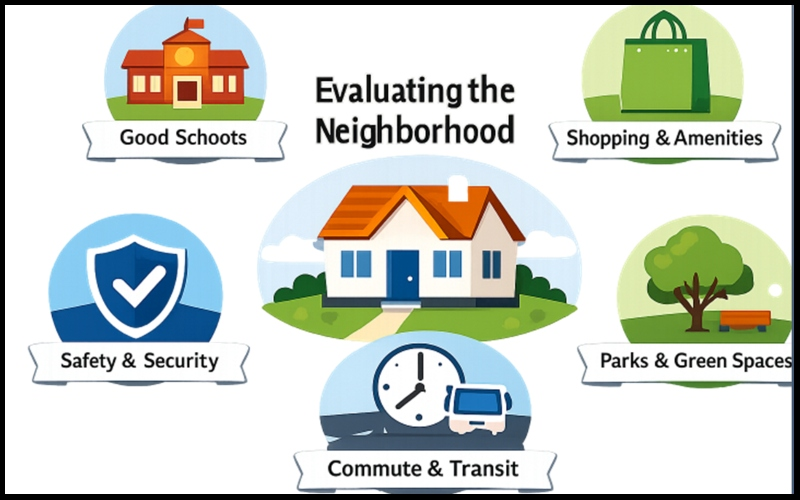
- Consider factors like proximity to work, schools, amenities, and safety when evaluating neighborhoods.
- Research future developments and community plans to ensure long-term satisfaction.
Finding the perfect home involves more than just the property itself; the surrounding community significantly impacts your overall satisfaction and quality of life. For instance, if you’re exploring homes for sale in Hilton Head Island SC, partnering with a knowledgeable local agent like John Campbell can be invaluable. As a seventh-generation Gullah native of Hilton Head Island, John Campbell possesses deep-rooted knowledge of the area and its dynamic real estate market, making him a trusted resource for buyers and sellers alike.
Assess Your Lifestyle and Priorities
Begin by reflecting on your daily routines and long-term goals. Do you prefer a bustling urban environment or a tranquil suburban setting? Is proximity to work, schools, or recreational facilities important to you? Understanding your priorities will help narrow down potential communities that fit your lifestyle.
Evaluate Proximity to Work and Commute Times
A lengthy commute can significantly impact your daily life. Consider the distance to your workplace and the availability of public transportation. A shorter commute can enhance your work-life balance and reduce stress.
Research School Districts and Educational Facilities
Even if you don’t have children, the quality of local schools can affect property values. Research school ratings and consider visiting campuses to get a feel for the educational environment. Good schools often indicate a strong community focus and can be a valuable asset for future resale.
Consider Amenities and Services
Access to amenities like parks, shopping centers, healthcare facilities, and entertainment venues can greatly influence your living experience. Make a list of must-have amenities and ensure the community you’re considering offers them.
Investigate Safety and Crime Rates
Safety is a top priority. Look into local crime statistics and speak with residents to gauge the community’s safety. A secure neighborhood contributes to peace of mind and overall well-being.
Understand Future Developments and Community Plans
Research any planned developments in the area. Future infrastructure projects, new businesses, or zoning changes can impact property values and your quality of life. Staying informed about community plans helps you make a more informed decision.
Engage with the Community
Spend time in the neighborhood to get a sense of the community vibe. Attend local events, visit parks, and talk to residents. This firsthand experience can provide valuable insights into whether the community aligns with your expectations.
Consult with a Local Real Estate Expert
Partnering with a knowledgeable real estate agent can provide you with insider information about different communities. For instance, if you’re exploring homes for sale in Hilton Head Island SC, working with an experienced agent like John Campbell can be invaluable. With extensive knowledge of the area and a commitment to helping clients find their ideal homes, John can guide you through the nuances of each neighborhood, ensuring you make an informed decision.
Choosing the right community is a crucial step in the home-buying process. By thoroughly evaluating your needs and conducting comprehensive research, you can find a neighborhood that enhances your lifestyle and meets your long-term goals.
Tips for Getting to Know a Community
Digging deeper into a community before making your home purchase can help prevent surprises down the road. Try visiting local restaurants, shopping at nearby stores, or spending a weekend in the area to experience daily life as a resident. Observing the streets at different times of day can offer clues about noise levels, traffic, and how neighbors interact. Look for active community groups, clubs, or social events, which are great ways to connect and get insights directly from those already living there.
The Importance of Local Culture and Demographics
Every community has its unique culture, shaped by its history, residents, and values. Determine if the area aligns with your personal values, traditions, or lifestyle requirements. If you’re seeking diversity, check for a mix of ages, backgrounds, and interests. Alternatively, if you desire a quiet, family-oriented neighborhood, research whether the area primarily attracts families, retirees, or young professionals. Community websites, local newspapers, and social media groups can be valuable resources for reading about ongoing issues and prevailing attitudes.
Affordability and Cost of Living
Affordability goes beyond the home’s price. Factor in local property taxes, homeowners’ association (HOA) fees, utilities, and the general cost of goods and services. Comparing the cost of living across different zip codes can help you gauge whether the community fits your financial goals. An area may have attractive amenities, but you’ll want to ensure that routine expenses won’t put undue strain on your budget.
Outdoor Spaces and Recreation
Many homebuyers prioritize access to green spaces, walking trails, or waterfronts. If you enjoy an active lifestyle, check out the neighborhood’s recreational facilities, public parks, and trails. A vibrant parks system can foster a strong sense of camaraderie and well-being among residents. Furthermore, outdoor spaces can increase property values and provide important communal gathering points for neighborhood events.
Public Services and Infrastructure
The availability and quality of public services, such as local libraries, fire departments, and waste management, can be important considerations in your decision. Well-maintained infrastructure, good road conditions, and reliable utilities all add to your comfort and security as a homeowner. Reach out to local government offices if you need details about scheduled improvements or upcoming projects in the area.
Resale Value and Investment Potential
Buying a home is a significant investment. Study the neighborhood’s historical property values and trends to assess potential growth. Properties in desirable school districts with access to amenities and low crime often appreciate more. A local real estate agent can provide valuable data about sales trends, market forecasts, and which communities are up-and-coming or hold their value best over time.
Final Thoughts
Ultimately, finding the right community is a blend of practicality and intuition. By taking the time to thoroughly explore your options and thoroughly research neighborhoods, you’re more likely to choose a place where you’ll feel comfortable, supported, and happy for years to come. Remember, your choice impacts not only your daily living but your long-term satisfaction and investment outcomes. Stay diligent, ask questions, and trust the guidance of reputable local experts to find a community that helps you thrive.
For more information or suggestions, please contact us.