
The transition from a high school student to a law student is often described as “learning a new language.” You aren’t just memorizing rules; you are learning to dismantle arguments and reconstruct them. One of the most effective ways to bridge the gap between academic theory and courtroom reality is through the deep analysis of legal precedents.
1. Mastering the Art of Fact-Sifting
In a textbook, the law is presented in its cleanest form. In the real world, the law is messy. When you examine legal case study examples, you aren’t just looking for the verdict; you are learning how to identify “material facts.”
At MyAssignmentHelp, we often see students struggle with “information overload.” Analyzing case studies helps you develop a “legal filter,” allowing you to process thousands of pages of discovery into a concise three-page brief.
2. Bridging the Gap Between “The Rule” and “The Application”
The most common mistake law students make is reciting the law without applying it. This is known as “black letter law” syndrome. You might know the definition of Negligence, but do you know how it applies to a self-driving car accident?
Analyzing case studies forces you to use the IRAC Method (Issue, Rule, Analysis, Conclusion).
- Issue: What is the specific legal question?
- Rule: Which statute or precedent applies?
- Analysis: This is the “meat.” How does the rule interact with the facts?
- Conclusion: What is the likely legal outcome?
When you study diverse examples, you begin to see patterns in how judges “reason.” You move from saying “The law says X” to “Because the defendant did Y, the law of X applies in this specific way.” This shift in mindset is what transforms a student into a practitioner.
3. Developing Predictive Foresight
A great lawyer doesn’t just tell you what happened; they tell you what will happen. By immersing yourself in case studies, you develop “legal intuition.” You start to understand how the “dissenting opinion” of today might become the “majority opinion” of tomorrow.
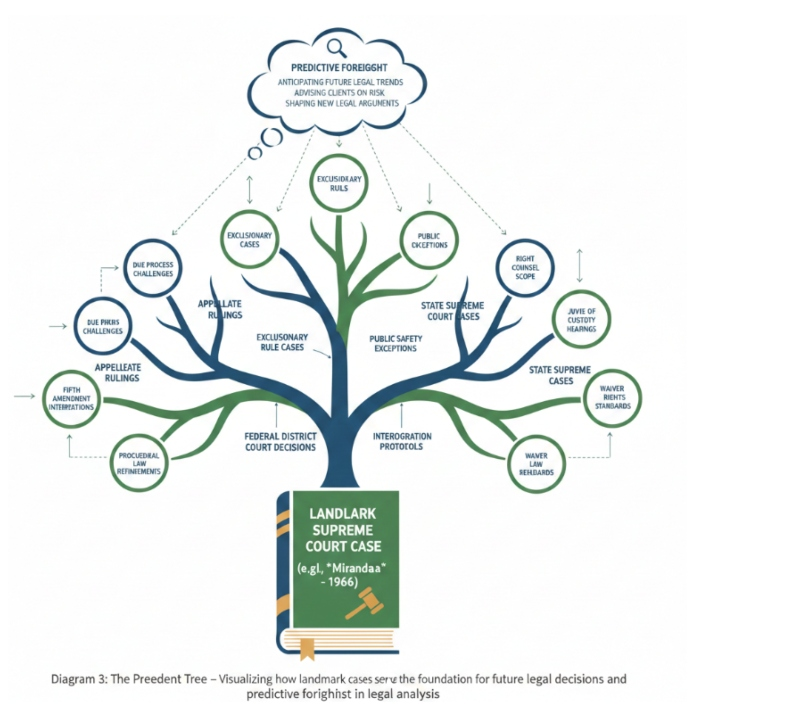
This involves looking at cases that were “flipped” on appeal. Why did the higher court disagree? Was it a misinterpretation of the law or a procedural error? Understanding these nuances sharpens your ability to counsel future clients on the risks of litigation.
Navigating the Pressure of Legal Drafting
While the intellectual exercise of analyzing cases is rewarding, the sheer volume of work can be daunting. Legal writing requires a level of precision that leaves zero room for error. A misplaced comma in a contract or a poorly cited case in a memorandum can undermine an entire argument.
For students balancing multiple modules—from Tort to Constitutional Law—the pressure to produce high-quality submissions can be a barrier to actual learning. In such instances, seeking expert guidance or law assignment help can serve as a vital academic scaffold. This isn’t about taking shortcuts; it’s about seeing a “gold standard” of legal drafting that you can then emulate in your own professional career.
Strategies for Effective Case Study Review
To get the most out of your study sessions, follow these three steps:
- Brief the Case: Don’t just read it. Write a one-page summary. If you can’t explain the case to a non-lawyer in three minutes, you don’t understand it yet.
- Challenge the Verdict: Ask yourself, “What is the strongest argument the losing side could have made?”
- Check the Citations: Look at which other cases were cited. This helps you understand the “genealogy” of a law.
Conclusion
Becoming a master of the law is a marathon, not a sprint. By consistently engaging with real-world scenarios and professional drafting standards, you move beyond rote memorization. Whether you are analyzing a landmark Supreme Court decision or seeking structured support for your next major paper, remember that the goal is clarity, precision, and a relentless focus on the “why” behind the “what.”
About The Author
Hi, I’m Georgia Taylor. I am an academic consultant and lead legal researcher at MyAssignmentHelp, where I’ve spent the last several years helping law students navigate the complexities of legal theory and practical drafting.