Key Takeaways
- Market conditions, such as supply and demand,have a direct impact on the speed and price of home sales.
- Economic indicators, such as employment rates and interest rates, influencebuyer motivation and affordability.
- Seasonal trendsdrive fluctuations in buyer activity throughout the year.
- Local factorsand property features further influence sale timelines.
Understanding the way market forces impact home sales is essential for homeowners seeking both speed and a fair return. The interplay of supply and demand, local economic health, and property characteristics often determines what separates a quick and successful home sale from a challenging one. For those looking to sell fast, upcoming changes in buyer trends and local market activity, such as those experienced in Kent, WA, can be the difference between closing in weeks rather than months. Sellers interested in fast results may want to visit https://homeofferexpress.net/sell-your-house-fast-in-kent-wa/ for more localized insights specific to their area.
Shifts in the broader economy influence everything from buyer confidence to the ease of securing financing, making it vital for sellers to monitor not just national trends but also the ebb and flow in their own neighborhoods. One overlooked element is the way local events, infrastructure projects, or changes in community amenities can quickly build or dampen demand for real estate—sometimes overnight. Staying ahead of these trends is crucial for sellers seeking to minimize days on the market and maximize sale prices.
Before making any decisions, it’s helpful to evaluate multiple sources and consider professional support. Comprehensive tools and current listings are available at https://homeofferexpress.net/ for those seeking more information or direct assistance with their sale.
Market Conditions and Buyer Demand
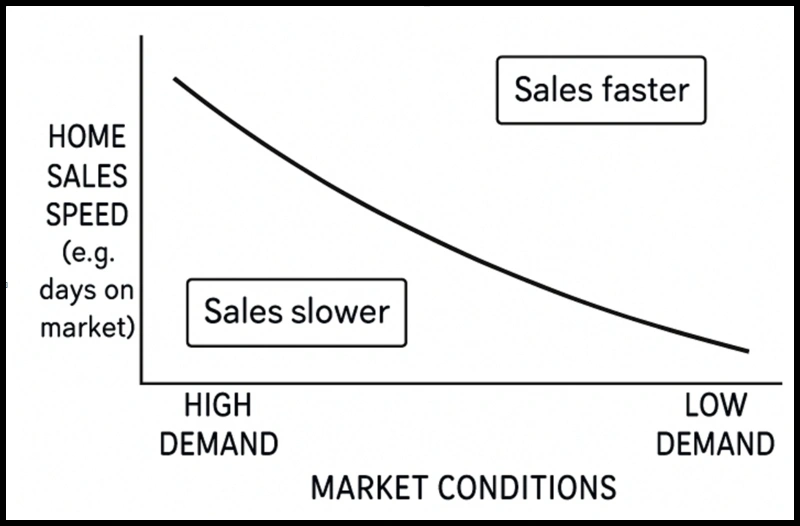
The most immediate influencer of home sale speed is the balance of buyer demand versus available inventory. In a seller’s market—often triggered by low supply and high buyer interest—homes frequently sell above asking price, sometimes within days. Nationwide, 2023 saw markets tighten as inventory hit historic lows, favoring sellers and leading to quick closings. However, in a buyer’s market, where listings outnumber interested buyers, homes may linger longer, with sellers needing to offer incentives or reduce prices to attract buyers. Identifying which market you’re in is the first step to setting realistic expectations and strategies.
Economic Indicators
Major economic factors, such as mortgage rates and employment, strongly influence buyer activity. When mortgage rates rise sharply—as they did in late 2023, peaking at levels unseen since the early 2000s—home payments increase, pricing many buyers out of the market and extending the time on market for sellers. For example, a spike in the 30-year fixed rate to above 7.5% made affordability a challenge, prompting some buyers to pause their search. Despite fewer overall transactions, tight supply kept prices resilient in many markets, and some sellers benefited from multiple offers. Experts expect that as rates ease in response to macroeconomic shifts, potential buyers will return, possibly quickening sales again. Stay updated on national trends at Realtor.com.
Seasonal Trends
The time of year still significantly influences the speed of home sales. Spring and summer remain the most popular seasons for buying and selling, driven by pleasant weather and the school calendar. Many families plan their moves around vacations or before a new school year starts, which increases buyer demand in these months and reduces the time homes spend on the market. In contrast, fall and winter, especially in colder regions, slow transactions, extend time on market, and may require sellers to lower prices or offer additional incentives. Notably, this pattern isn’t universal—warmer states or suburban areas often show much weaker seasonality, with sales rates remaining stable year-round. For an in-depth look at these seasonal shifts, see Realtor.com.
Local Market Conditions
While national trends grab headlines, local market activity is often more relevant for sellers. Community factors, such as job growth, the expansion of local amenities, or population changes, can rapidly increase demand, leading to homes selling more quickly. For instance, cities experiencing an influx of new businesses and employees can witness a housing boom, with well-priced properties selling quickly. Conversely, economic downturns or drops in employment can stall markets, resulting in longer wait times and lower prices. Monitoring neighborhood-specific data, local government forecasts, or consulting with area realtors provides a vital edge in determining the optimal timing and strategy for a listing.
Property Characteristics
Unique features, upgrades, and the condition of a property also impact the number of days a property stays on the market. Move-in-ready homes—those with updated kitchens, fresh paint, landscaping, and high-quality curb appeal—tend to attract buyers and receive more competitive offers. On the other hand, outdated, cluttered, or poorly staged homes can struggle to sell unless they are priced well below market value. Ensuring your home stands out by addressing deferred maintenance or adding sought-after amenities (like energy-efficient systems or modern appliances) can shave weeks or months off the selling process.
Strategies for Sellers
Pricing Strategically
Accurate pricing is arguably the most influential factor in how quickly a home sells. Overpricing can deter buyers and lead to extended time on market, while competitive pricing—based on a detailed market analysis—attracts more interest and often results in multiple offers. Reviewing recent sales and working with a knowledgeable real estate agent can help pinpoint the right price for your home’s unique situation.
Enhancing Curb Appeal
First impressions matter. Fresh paint, landscaping, and minor renovations can make your property more appealing to prospective buyers, leading to faster offers and sometimes higher sale prices.
Marketing Effectively
Professional photography, virtual tours, and broad exposure on online real estate platforms significantly increase your home’s visibility. Targeted marketing campaigns and staging can help your listing stand out even in a crowded market.
Timing the Market
If your circumstances allow, consider listing your home during periods of higher demand—typically spring and summer. However, with inventory currently low in many places, achieving good results is possible year-round by following the other strategies outlined here.
Conclusion
Staying informed about market conditions, economic shifts, and local trends gives homeowners a distinct advantage in achieving a quick and profitable sale. By tailoring your approach to current trends—whether through pricing, staging, or strategic timing—you can increase your chances of a swift closing and maximize the return on your most significant investment.