Key Takeaways
- Understanding the properties of wood and metal enhances the quality of crafted items.
- Precision in measuring and cutting is crucial to the success of projects.
- Proper tool selection and maintenance are essential for efficiency and safety.
- Finishing techniques protect and enhance the appearance of the final product.
Creating projects with wood and metal requires a combination of skill, precision, and a thorough understanding of the materials. Success in crafting is not solely about having the right tools—it also involves mastering techniques that ensure durability and a polished finish. Whether shaping, joining, or finishing, each step plays a crucial role in turning raw materials into functional or decorative pieces. Attention to detail and careful planning help prevent mistakes that could compromise the quality of the final product.
A critical aspect of working with both wood and metal is selecting the appropriate joining methods. While mechanical fasteners are standard, wood and metal adhesive can provide strong bonds in situations where traditional screws or nails may not be ideal. Proper surface preparation, curing time, and application techniques are crucial for maximizing adhesion. By understanding these fundamentals, crafters can achieve reliable results, ensuring their projects are not only visually appealing but also structurally sound.
Understanding Material Properties
Working with wood and metal requires a fundamental knowledge of their distinct properties. Wood varies by species, density, and grain, making each piece unique in terms of its strength and workability. It is sensitive to changes in moisture, which can lead to warping or cracking if not properly conditioned. Metal, by contrast, offers high structural integrity, malleability, and longevity. However, metals like steel and iron are prone to corrosion if not adequately treated or sealed. The right pairing of materials based on their properties is essential for the longevity and visual appeal of your projects.
By recognizing these characteristics, you can select materials that harmonize with each other while ensuring they are suitable for the intended application. This background enables informed decisions for combining elements in everything from custom shelving to intricate art installations.
Precision in Measuring and Cutting
Accurate measurements are the bedrock of any high-quality project in wood and metal crafting. Investing time in careful measuring avoids errors that can compromise the integrity of your design. Utilize measuring tapes, framing squares, and precision markers to capture exact dimensions. For wood, this may involve marking with a sharp pencil or chalk for straight cuts, whereas metal often requires the use of calipers or micrometers to achieve precise fits.
Clean, even cuts are achieved by selecting the right saw blade or cutting tool for the material at hand. Hand saws, table saws, and miter saws are staples in woodworking, while angle grinders, hacksaws, and plasma cutters find everyday use in metal shops. Measuring twice and cutting once will save time, money, and materials throughout the crafting process.
Essential Tools and Their Maintenance
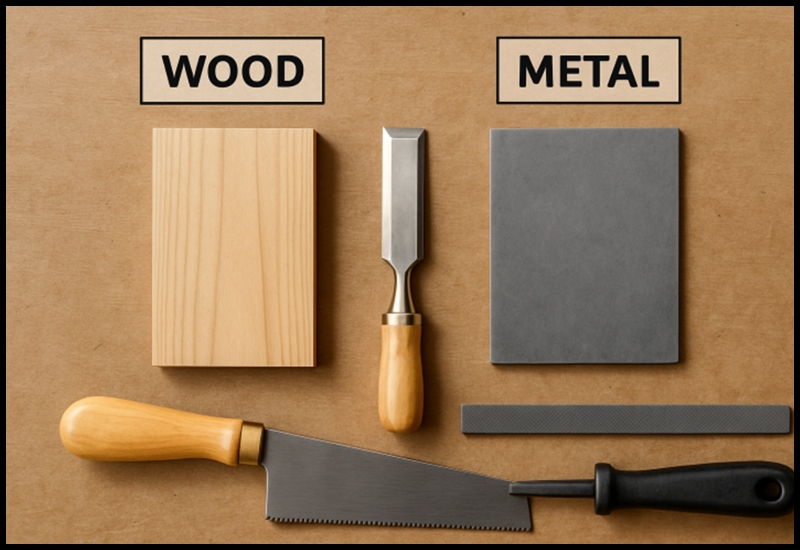
Success in crafting stems from using reliable, well-maintained tools. For woodworking, quality saws, chisels, planes, and sanders are fundamental; in metalworking, welders, grinders, shears, and files are essential. Regular upkeep—including sharpening blades, cleaning residues, and lubricating moving parts—ensures not only precision in execution but also safety in operation. A neglected tool can dull quickly or even cause injury, so establishing a simple maintenance routine is vital.
Whether investing in new gear or caring for trusted favorites, a prepared toolkit boosts confidence and productivity in the workshop.
Joinery Techniques
The art of joining materials transforms individual pieces into cohesive works. For wood, classic joints—such as mortise and tenon, dovetails, or box joints—offer both structural soundness and visual charm. In metalworking, joining often requires welding, brazing, or soldering, depending on the thickness and material compatibility. When combining wood and metal, traditional woodworking joints are often paired with mechanical fasteners, such as screws, bolts, and brackets, to ensure durability.
Modern projects may also benefit from advanced adhesives specifically engineered for hybrid constructions. Crafters can leverage these adhesives to achieve clean lines and sturdy assemblies without the need for bulky hardware.
Finishing Touches
The final step in any crafting project is a proper finish, which not only protects but also enhances the natural beauty of the materials. For wood, popular finishes include oils, stains, and varnishes to protect against moisture and UV damage. In contrast, metal often benefits from powder coating, clear lacquer, or specialized paints to resist rust and scratches. The choice of finish should complement the materials and align with the object’s intended use, providing both resilience and a unified appearance.
Finishing techniques often require patience, as multiple coats and adequate curing times are needed for lasting results. Investing in high-quality finishing products yields surfaces that remain vibrant and protected for years to come.
Safety Considerations
Safety cannot be overemphasized in wood and metal crafting. Proper gear—including gloves, goggles, and dust masks—shields against sharp edges, flying debris, and airborne particles. Ventilation is critical when using adhesives and solvent-based finishes to prevent the buildup of toxic fumes. Keeping your workspace clean and organized, with clear paths and labeled storage, further minimizes risks and creates an environment conducive to creativity.
Continuous Learning and Practice
Mastery in crafting is a lifelong journey. New techniques, materials, and trends emerge constantly, presenting fresh opportunities for growth and innovation. Participating in workshops, connecting with local maker communities, and studying reputable publications helps expand your skills. Embracing challenges, learning from mistakes, and setting aside time for regular practice will propel you toward expert craftsmanship and unique creative expression.
Conclusion
Success in wood and metal crafting comes from combining knowledge, precision, and care at every step. By understanding material properties, utilizing the right tools, mastering joinery, and applying thoughtful finishing techniques, crafters can create durable and visually appealing projects. Coupled with safety, practice, and continuous learning, these fundamentals ensure that each project not only meets functional needs but also reflects skill and craftsmanship.